Introduction
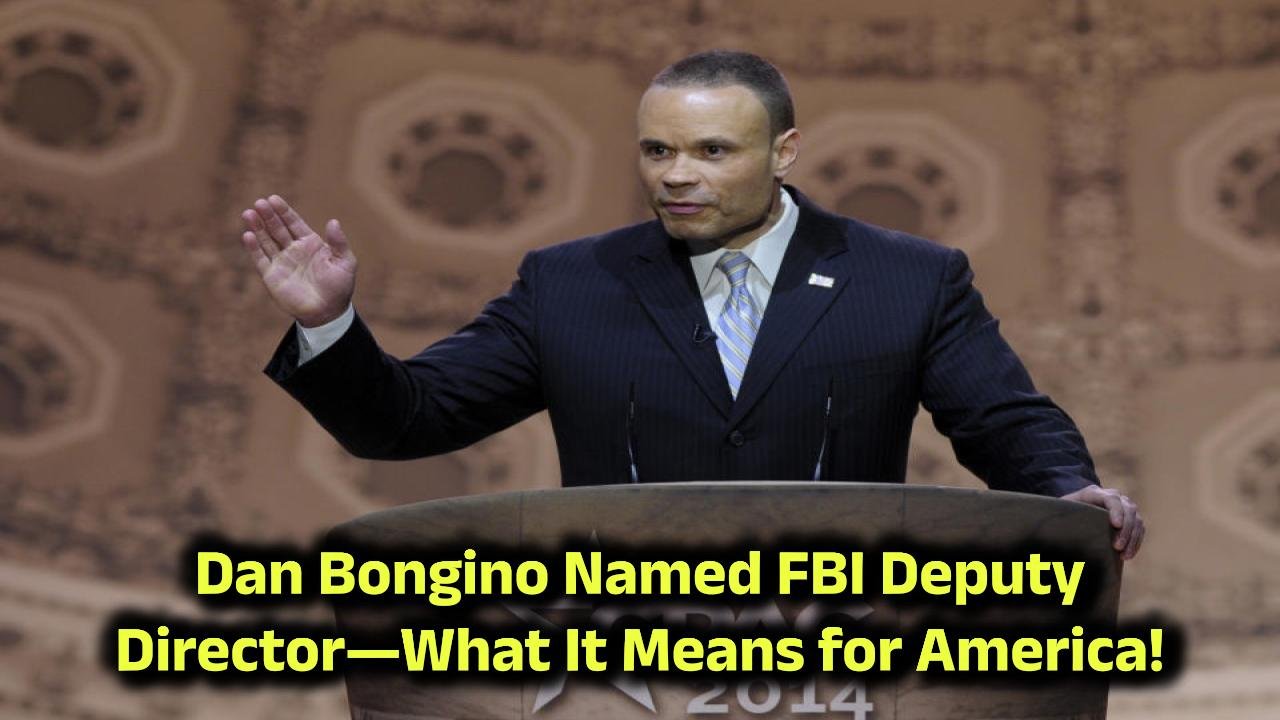
The appointment of Dan Bongino FBI Deputy Director2025: of the Federal Bureau of Investigation (FBI) under the Trump administration signifies a profound departure from conventional leadership selection criteria in federal law enforcement. Historically, this role has been occupied by individuals with deep institutional expertise in federal investigations, intelligence operations, and strategic law enforcement administration. Bongino’s appointment, by contrast, signals a shift in executive decision-making, wherein political ideology, media influence, and external law enforcement experience supersede traditional bureaucratic pathways. This transition raises pertinent questions about the evolving interplay between political oversight, executive influence, and the operational independence of federal investigative bodies.
Bongino’s selection exemplifies broader political dynamics that have increasingly shaped institutional appointments across the federal government. His background—a blend of law enforcement, conservative political commentary, and media prominence—suggests an executive preference for ideological alignment over traditional career progression within the FBI. This shift invites scrutiny regarding the extent to which political considerations may influence the bureau’s strategic priorities, its relationship with policymakers, and its capacity to function as an independent investigative entity insulated from partisan pressures.The Appointment of Dan Bongino FBI Deputy Director2025
Bongino’s Background: A Convergence of Law Enforcement and Political Advocacy
Dan Bongino’s professional trajectory spans multiple spheres, encompassing law enforcement service, political aspirations, and media commentary. Born in Queens, New York, in 1974, he began his career with the New York City Police Department (NYPD) before transitioning to the United States Secret Service in 1999. His tenure in the Secret Service, particularly within the Presidential Protective Division under Presidents George W. Bush and Barack Obama, afforded him significant exposure to executive security operations and interagency coordination at the highest levels of government.
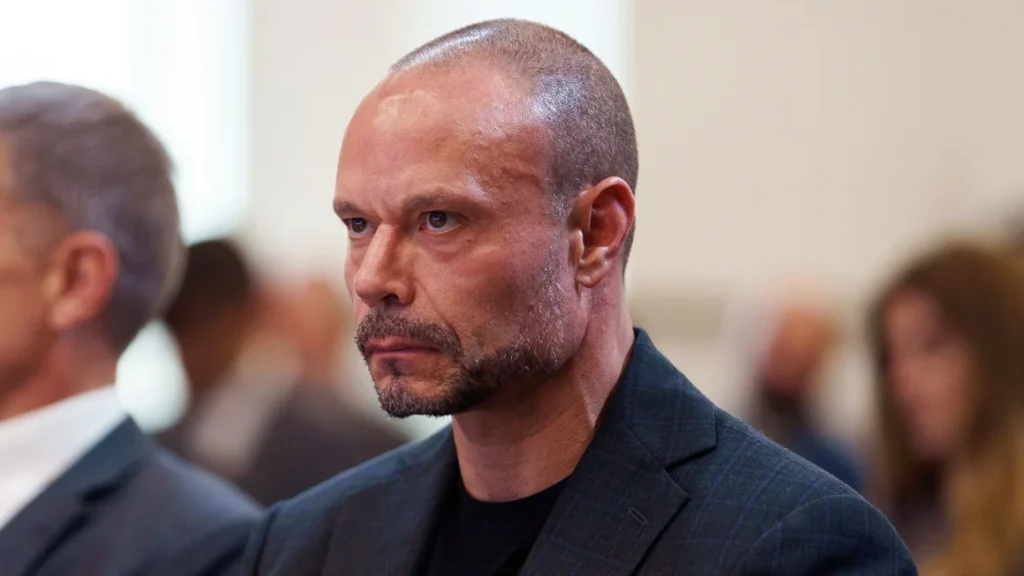
Following his departure from federal service, Bongino sought public office, launching multiple congressional campaigns as a Republican candidate, albeit without electoral success. Despite his defeats, his political visibility expanded as he established himself as a prominent conservative commentator, leveraging digital platforms and traditional media to advance his perspectives on law enforcement, national security, and governance. His podcast, The Dan Bongino Show, alongside his contributions as a Fox News analyst, amplified his critiques of the intelligence community, particularly the FBI, which he frequently characterized as an institution beset by political bias and institutional corruption.The Appointment of Dan Bongino FBI Deputy Director2025
Bongino’s ascendancy from media personality to the second-highest position in the FBI represents an unorthodox leadership transition, raising concerns about the implications of appointing an individual with a history of publicly condemning the agency’s integrity. His prior criticisms of the FBI—framing it as a politically compromised institution—could engender resistance among career officials and influence both internal operational cohesion and external public perception of the bureau’s neutrality.The Appointment of Dan Bongino FBI Deputy Director2025
The Appointment of Dan Bongino FBI Deputy Director2025
The appointment of an outsider to the Deputy Director position inherently disrupts established bureaucratic conventions. Traditionally, the FBI has favored leadership continuity by promoting individuals with extensive tenure within the agency, ensuring institutional stability and an adherence to established operational frameworks. Bongino’s appointment deviates from this norm, signaling an intent to recalibrate the agency’s leadership philosophy and strategic direction.
President Trump positioned Bongino’s appointment as a corrective measure aimed at restoring institutional integrity within the FBI. This decision was framed within the broader context of the administration’s efforts to confront alleged bureaucratic entrenchment and partisanship within federal law enforcement agencies. His selection coincided with other high-profile appointments—such as Kash Patel as FBI Director and Pam Bondi as Attorney General—highlighting a concerted effort to reconfigure the executive leadership overseeing federal investigations and law enforcement oversight.
Bongino’s leadership is expected to exert influence over critical policy domains, particularly in counterterrorism, cybercrime enforcement, and intelligence-gathering methodologies. Given his prior advocacy for aggressive law enforcement policies and national security interventions, there is speculation that his tenure will recalibrate investigative priorities, potentially amplifying focus on domestic security threats linked to ideological movements perceived as adversarial to administration interests. However, the practical implementation of these priorities remains contingent on congressional oversight, judicial interpretation, and internal bureaucratic negotiation within the FBI’s existing command structures.The Appointment of Dan Bongino FBI Deputy Director2025
Political and Institutional Response to Bongino’s Appointment
Bongino’s appointment has elicited a polarizing response from both political actors and institutional stakeholders. The FBI Agents Association—representing thousands of special agents—has historically advocated for the promotion of senior bureau officials to leadership roles, emphasizing the necessity of continuity and internal experience in sustaining operational efficacy. The selection of an individual without prior FBI service has consequently raised concerns regarding disruptions to investigative procedures, intelligence-sharing protocols, and inter-agency collaboration. The Appointment of Dan Bongino FBI Deputy Director2025
From a political standpoint, Bongino’s elevation has intensified debates concerning the role of executive discretion in law enforcement leadership. Detractors argue that his overt ideological affiliations and media-driven persona jeopardize the bureau’s operational independence, fostering apprehensions that investigative decisions could be subjected to political influence. Legal scholars and bipartisan legislators have underscored the potential for conflicts of interest, particularly in high-profile investigations involving political figures, electoral processes, and matters of national security.The Appointment of Dan Bongino FBI Deputy Director2025
Conversely, proponents of Bongino’s appointment contend that his law enforcement background, coupled with his direct media engagement, presents an opportunity to enhance public transparency and accountability within federal law enforcement. Supporters posit that his leadership could serve as a counterweight to perceived institutional biases within the FBI, potentially fostering a recalibrated investigative approach that aligns with broader executive priorities. Additionally, some advocates suggest that his outsider status positions him as a reform-oriented leader capable of challenging entrenched bureaucratic inefficiencies. The Appointment of Dan Bongino FBI Deputy Director2025
The Future Trajectory of the FBI Under Bongino’s Leadership
As Bongino assumes the role of Deputy Director, the implications of his leadership on the FBI’s strategic trajectory will be closely analyzed. His established ideological perspectives suggest a predisposition toward stringent law enforcement measures, potentially influencing policy shifts in counterterrorism, surveillance protocols, and the prioritization of investigative resources. The Appointment of Dan Bongino FBI Deputy Director2025
Observers anticipate that Bongino’s tenure may catalyze significant shifts in the FBI’s investigative focus, potentially prioritizing inquiries aligned with administration objectives while modulating the emphasis placed on politically sensitive investigations. The extent to which these modifications will affect the bureau’s core operational domains—ranging from cybercrime enforcement to counterintelligence initiatives—remains subject to scrutiny.The Appointment of Dan Bongino FBI Deputy Director2025
Moreover, Bongino’s leadership style—shaped by his experiences in federal protection services, political campaigns, and media advocacy—is expected to introduce nuanced alterations to internal agency dynamics. His emphasis on direct public engagement and media communication may recalibrate the FBI’s external relations strategy, influencing both its public image and its interactions with legislative oversight committees.
Conclusion
The appointment of Dan Bongino as FBI Deputy Director embodies a paradigm shift in the leadership architecture of the nation’s principal federal investigative body. His unconventional career trajectory—spanning law enforcement, political activism, and media commentary—renders him a contentious figure within the bureau’s hierarchical structure. The broader implications of his tenure will be evaluated in terms of institutional stability, the integrity of investigative processes, and the equilibrium between executive influence and independent law enforcement governance. The Appointment of Dan Bongino FBI Deputy Director2025
The extent to which Bongino’s leadership fosters substantive reform or exacerbates internal division remains an open question. His appointment underscores broader trends in federal governance, executive intervention in law enforcement, and the increasing influence of media-driven political narratives in shaping institutional appointments. As these dynamics continue to unfold, ongoing discourse regarding transparency, accountability, and the safeguarding of investigative neutrality will shape the evolving role of the FBI in contemporary governance. The Appointment of Dan Bongino FBI Deputy Director2025