Advanced Analytical Dissection of the India vs. New Zealand Semi-Final: Strategic Complexities and Psychological Determinants
Introduction
Advanced Analytical Dissection of the India vs Pakistan ICC Cricket World Cup semi-final encounter between India and New Zealand was emblematic of the confluence of strategic ingenuity, psychological resilience, and the nuanced execution of game plans that define elite-level cricket. Beyond the immediate ramifications of the outcome, this fixture offered a compelling case study into the broader dynamics of high-stakes competition, where tactical foresight, adaptive decision-making, and the ability to withstand psychological duress emerge as critical determinants of success. While both teams demonstrated exceptional proficiency in distinct domains, it was New Zealand’s meticulous implementation of their strategic blueprint that ultimately dictated the final result.
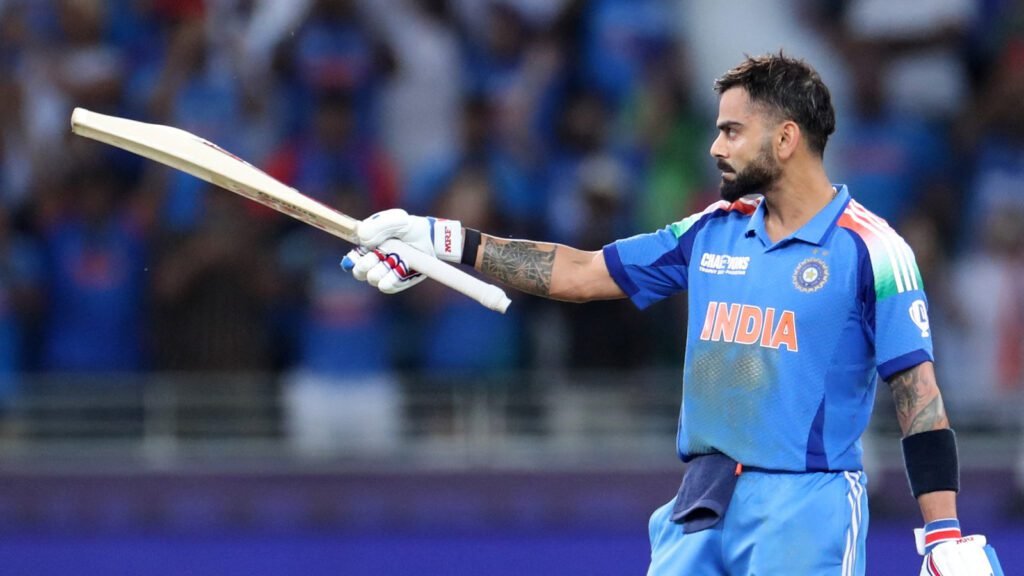
From an analytical standpoint, this match encapsulated the evolving complexities of modern limited-overs cricket, in which statistical modeling, situational awareness, and mental fortitude operate synergistically to influence outcomes. By dissecting the match through the prism of strategic anticipation, execution under duress, and psychological resilience, a comprehensive understanding of the fundamental components shaping elite cricketing performances is achieved.Advanced Analytical Dissection of the India vs Pakistan
Divergent Cricketing Philosophies: A Tactical Juxtaposition
This semi-final was more than a contest between two accomplished teams; it was a juxtaposition of contrasting cricketing ideologies. India’s strategy revolved around a dominance-driven approach, leveraging a formidable top order and a well-rounded bowling arsenal to exert control. Their aggressive, front-foot methodology had become the hallmark of their contemporary cricketing ethos, reinforcing their status as one of the most formidable teams in world cricket. Their historical success in bilateral engagements and multi-nation tournaments further cemented their credentials as preeminent contenders.Advanced Analytical Dissection of the India vs Pakistan

Conversely, New Zealand’s methodology was predicated on systematic adaptability, structural coherence, and an acute appreciation of match scenarios. Eschewing reliance on individual brilliance, their model emphasized distributed accountability, tactical flexibility, and process-driven execution. This strategic pragmatism enabled them to navigate high-pressure encounters with composure and precision, making them formidable adversaries in ICC tournament settings. Unlike India’s dependency on top-order dominance, New Zealand’s reliance on a more evenly distributed performance paradigm provided them with a tactical edge in knockout fixtures.Advanced Analytical Dissection of the India vs Pakistan
The Toss and the Psychological Ramifications of Batting First
The decision to bat first after winning the toss was instrumental in shaping the trajectory of the contest. New Zealand’s choice was underpinned by empirical analyses of past World Cup knockout matches, which indicate a statistical advantage associated with setting a target in pressure-laden encounters. Beyond the tangible aspects of pitch behavior, the psychological benefits of batting first—where teams can dictate the pace and nature of the contest—cannot be overstated.Advanced Analytical Dissection of the India vs Pakistan
For India, a preference for chasing stemmed from their established ability to construct formidable totals in controlled scenarios. However, in the context of a semi-final, the unpredictability of pitch deterioration and the intensification of pressure in a high-stakes pursuit introduced variables that would later become definitive factors in the outcome.Advanced Analytical Dissection of the India vs Pakistan
New Zealand’s Batting Strategy: A Masterclass in Situational Acumen
New Zealand’s innings was characterized by an astute balance between consolidation and strategic aggression. Kane Williamson, serving as the fulcrum of the batting order, demonstrated an advanced understanding of high-pressure batting, seamlessly transitioning between defensive resilience and calculated risk-taking. His ability to rotate strike and selectively target gaps ensured that the innings maintained momentum despite India’s potent bowling attack.Advanced Analytical Dissection of the India vs Pakistan
The latter half of the innings underscored the importance of batting depth in team composition. New Zealand’s lower middle order adeptly capitalized on India’s marginal tactical lapses, exploiting gaps in field placements and occasional inefficiencies in bowling execution. Their acceleration in the final overs—despite challenging conditions—was a testament to their capacity for situational adaptability. While their total initially appeared suboptimal, the evolving match conditions and subsequent psychological pressures of the chase ultimately validated its competitiveness.Advanced Analytical Dissection of the India vs Pakistan
India’s Response: The Intersection of Tactical Constraints and Pressure Dynamics
From the outset, India’s run chase was fraught with complexities. Trent Boult and Tim Southee’s incisive new-ball spells disrupted India’s equilibrium, inducing early wickets that necessitated a recalibration of approach. These early setbacks exemplified the psychological intricacies associated with chasing in a high-stakes scenario, where scoreboard pressure, compounded by disciplined opposition bowling, demands a finely tuned, adaptive response.Advanced Analytical Dissection of the India vs Pakistan
While brief middle-order partnerships provided temporary stability, the escalating required run rate imposed an inexorable strain on India’s strategic options. New Zealand’s meticulously structured bowling attack, characterized by precision in length variations, lateral movement, and fielding acumen, constricted India’s ability to score freely. The tactical deployment of slower deliveries, coupled with well-executed field placements, significantly limited India’s avenues for boundary accumulation, forcing them into a position where high-risk stroke play became inevitable.Advanced Analytical Dissection of the India vs Pakistan
The Decisive Collapse: A Psychological Examination of Pressure-Induced Decision-Making
The defining moment of the match materialized in the final third of India’s innings, where a catastrophic collapse irrevocably altered the contest’s complexion. This phase provided invaluable insights into the cognitive and psychological dimensions of pressure-induced decision-making. The confluence of scoreboard anxiety, defensive field setups, and relentless precision from New Zealand’s bowlers created an environment where India’s lower order was unable to maintain composure.Advanced Analytical Dissection of the India vs Pakistan
New Zealand’s execution of their defensive bowling strategy was surgical, reinforcing a fundamental principle of knockout cricket: incremental tactical advantages, when compounded under extreme pressure, generate disproportionately significant consequences. The succession of dismissals was not merely a function of technical deficiencies but rather an amalgamation of induced cognitive errors, superior opposition planning, and a broader inability to effectively navigate the decision-making demands of high-pressure scenarios.Advanced Analytical Dissection of the India vs Pakistan
Implications and Structural Reflections
The post-match discourse surrounding this semi-final oscillated between commendation for New Zealand’s strategic brilliance and a critical appraisal of India’s recurrent struggles in ICC knockout matches. While New Zealand’s triumph was emblematic of their tactical rigor and process-oriented approach, India’s defeat catalyzed a broader examination of their limitations in high-stakes contests.
From a structural perspective, India’s repeated setbacks in ICC knockout matches necessitate a comprehensive reassessment of their preparatory frameworks. While their supremacy in bilateral series remains unchallenged, the unique psychological and situational demands of high-pressure tournament cricket require an evolved approach. Enhanced psychological conditioning, scenario-based preparation, and a recalibrated strategic mindset will be imperative in addressing their vulnerabilities in high-stakes environments.
Conversely, New Zealand’s success reaffirmed their reputation as one of the most tactically proficient teams in contemporary cricket. Their ability to maintain composure, execute strategies with precision, and capitalize on opposition frailties exemplifies the efficacy of a systematic, process-driven methodology.
Conclusion
The India vs. New Zealand semi-final will be remembered as a quintessential exemplar of the intricacies inherent in elite-level cricket. The match encapsulated the interplay of tactical execution, psychological resilience, and strategic adaptability—elements that collectively determine success in high-pressure scenarios. As New Zealand advanced to the final, their performance underscored the effectiveness of structured, methodical cricket, whereas India’s defeat necessitated introspection into the strategic and cognitive dimensions of their approach to global tournaments.
As cricket continues to evolve into an increasingly analytics-driven and psychologically demanding sport, this encounter serves as an enduring testament to the paramount importance of strategic coherence, mental fortitude, and situational adaptability in shaping outcomes in elite-level competition.
SEO Keywords
- India vs New Zealand semi-final analysis
- Cricket World Cup semi-final review
- India vs New Zealand match report
- Tactical breakdown of India vs New Zealand
- Psychological pressure in cricket
- ICC knockout stage performance
- India’s cricketing strategy
- New Zealand’s bowling execution
- High-pressure cricket encounters
- Cricket match turning points